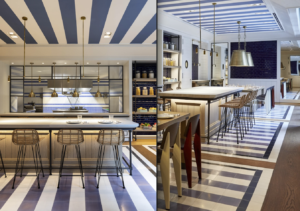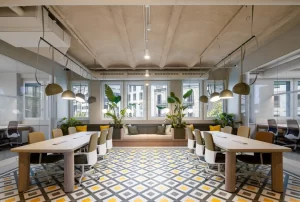
Kitchen design is undergoing a profound renovation: it is no longer just a functional space, but also a space that is the aesthetic heart of the home, The exhibition is an area where materials, history and technical execution combine to create a complete sensory experience. The Cement tiles, with their traditional craftsmanship and visual impact, are gaining prominence as the protagonists of kitchens with character and aesthetic longevity.
In this article we look at the most relevant trends of 2026, explained from a professional and applicable perspective. Ideal for interior designers, architects, specifiers and design lovers looking for inspiration and solid knowledge.
1. Why cement tiles are now trendy
Cement tiles are unique mosaic tiles of pigmented cement with infinite design possibilities thanks to their handcrafted manufacture. Due to their combination of history and versatility, today they are recovering their prominence over industrialised alternatives, offering:
- Full customisation of pattern and colour.
- Durability and wear resistance.
- Aesthetic presence that generates identity in key spaces such as the kitchen.
This approach is aligned with global design trends that aim to materials with history, feel and sense of authenticity.
2. Design trends that will make a mark in 2026
A. Pattern integration with visual balance
In 2026, there will be a preference for patterns with identity without saturating space. This translates into:
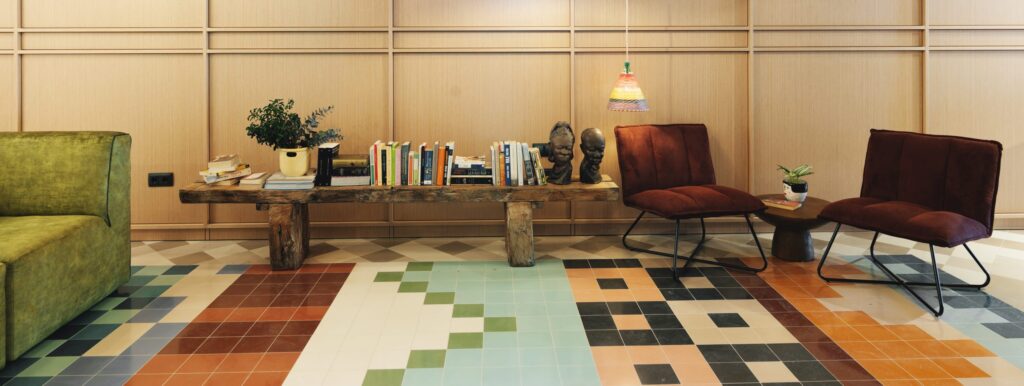
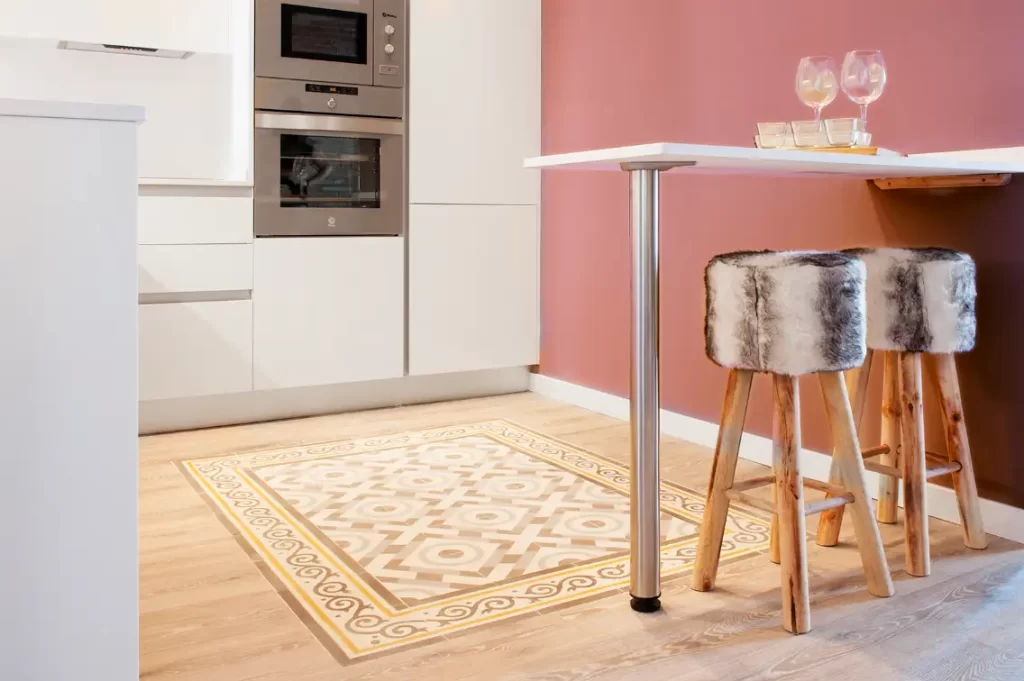
- “Tile rugs: defined areas of pattern around the kitchen island or informal dining areas, creating areas of character without visually overloading.
- Pattern borders and frames: use a framed pattern to separate functional areas (e.g. under the island or in front of the hood).
- Pattern splicing: techniques that combine cement tiles with plain tiles to balance presence and visual calm.
This trend responds to an aesthetic very thoughtful, narrative and adaptable, avoiding excessive patterns without context.
B. Mixed materials and contrasting textures
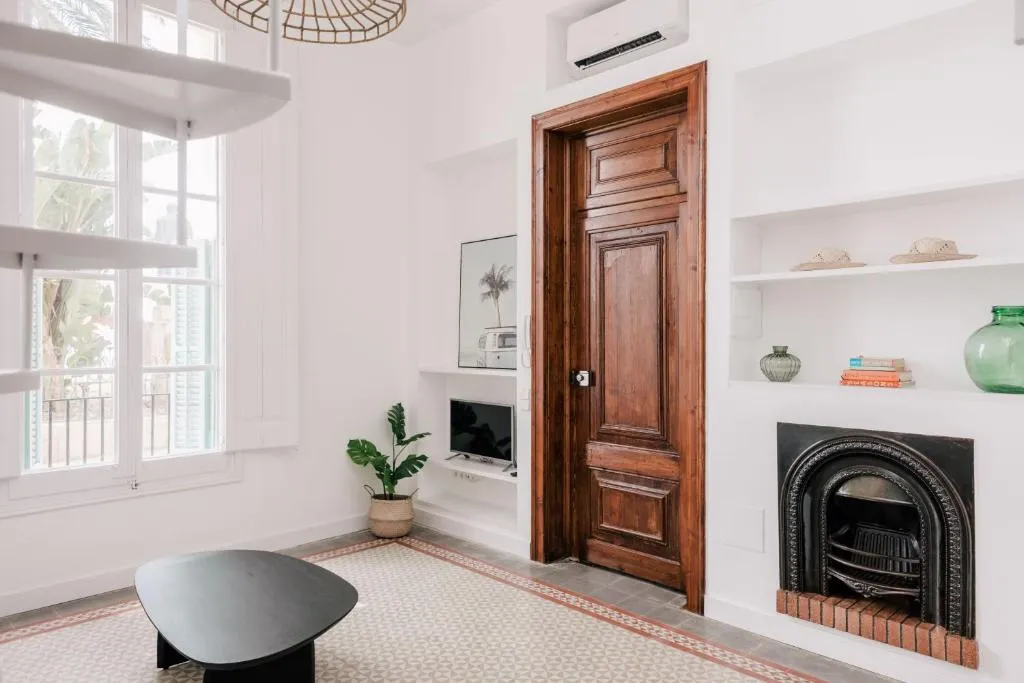
Designers are combining encaustic cement tiles with:
- Zellige and handmade mosaics on walls, for texture contrast.
- Porcelain or stone on wide floors, The new system offers simplified maintenance when the area is in heavy use.
- Mixture of matt and gloss finishes, The new design, which adds depth and sophistication without losing functionality, is a real eye-catcher.
This mixture of materials allows the cement tiles to act as protagonist or accent, depending on the scale of the project.
C. Colour palettes that connect tradition and modernity
The strongest palettes combine:
- Earth tones and warm neutrals: beige, sand, terracotta and soft greys.
- Details in deep colours: navy blue, petrol green, mustard or caramel for points of interest.
- Subtle tone-on-tone contrasts, which avoid cluttering the room in small kitchens.
These chromatic directions work both on floors and backsplashes, bringing visual unity and sense of continuity.
3. Practical applications in kitchens
A. Impact floors that tell a story
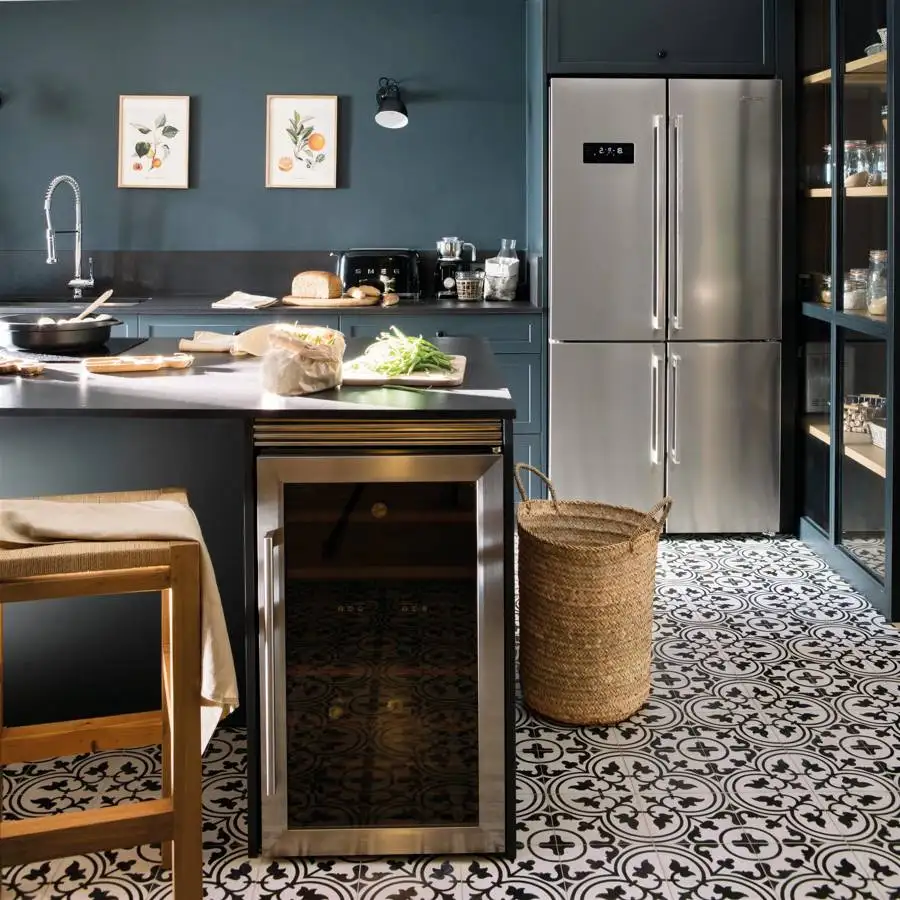
In open kitchens and integrated spaces, cement tiles not only decorate: define zones, guide visual flow and add rhythm to the design. They are especially effective when used as:
- Patterns under the central working area.
- Inserts bounded by smooth surfaces.
- Combinations with large neutral formats for balance.
This intelligent use helps to balance art with the functionality of the space.
B. Backsplashes with personality and texture
Behind the hob and sink area, the backsplash has become a visual canvas:
- Moderate pattern cement tiles add character without complicating cleaning.
- Vertically delimited spaces provide a focal point without distracting from the rest of the design.
This application is as aesthetically pleasing as technology: protects and facilitates cleaning, provided that the tiles are well sealed.
C. Integration into architectural elements
Beyond the floor and wall, cement tiles can enhance:
- Island fronts or bars.
- Details of niches or shelves.
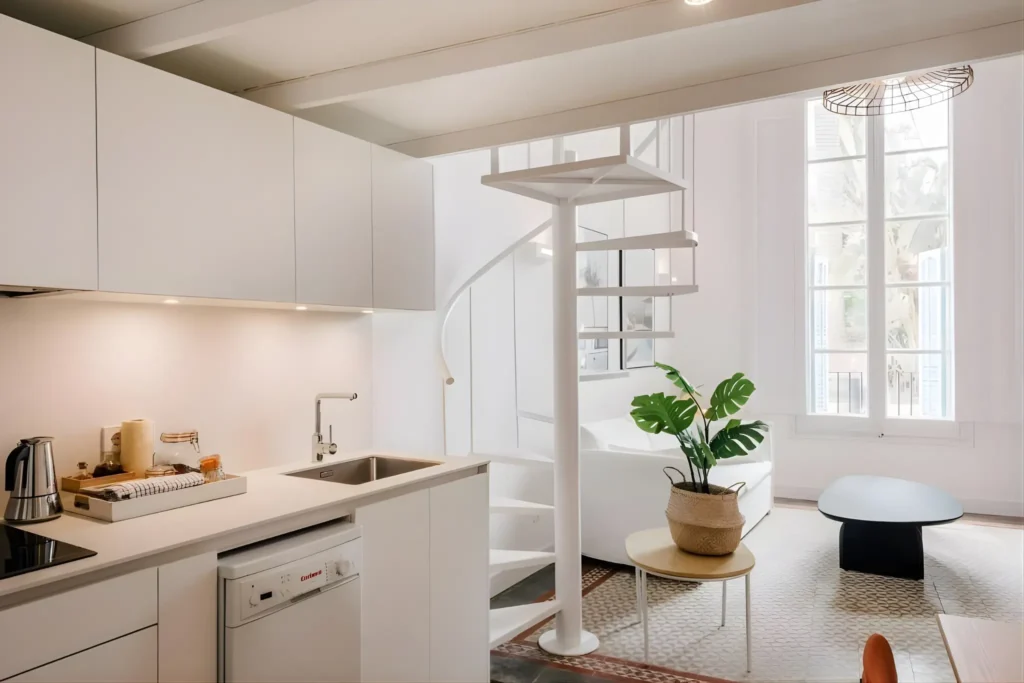
- Visual transitions between kitchen and living room.
This approach creates aesthetic continuity in open spaces, where each material speaks of the whole project.
4. Technical and installation advice
For professional results:
✔️ Pattern and layout planning: make dry-lays to visualise how the designs fit together.
✔️ Choice of a suitable finish: sealing is key to stain and wear resistance.
✔️ Use of gasket colours to complement the design, not that they become unwanted protagonists.
✔️ Coordination with other materials (wood, metal, stone) to achieve tactile and chromatic coherence.
5. Project Cases - Real Inspiration 2026
These ideas, based on current industry trends, illustrate how cement tiles can transform kitchens:
Project A: Contemporary urban cuisine
- Flooring in subtle pattern of 20×20 cm pieces with neutral tones.
- Backsplash in cement tiles with dark blue accent under hood.
- Matt black metal elements and natural wood for balance.
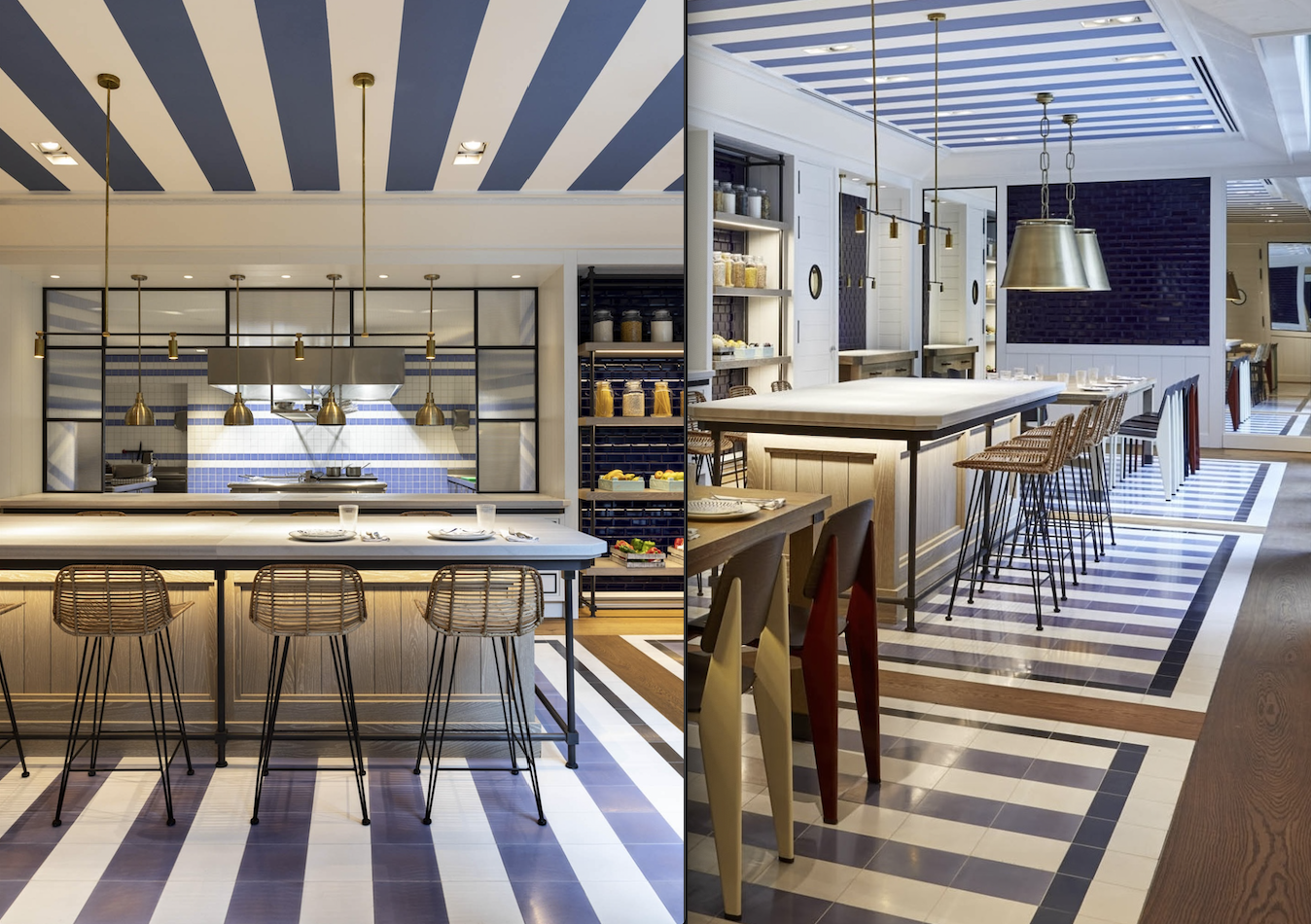
Project B: Mediterranean cuisine
- Cement tile insert in the bar area.
- Neutral porcelain floor for easy maintenance.
- Earth tones that evoke tradition and warmth.
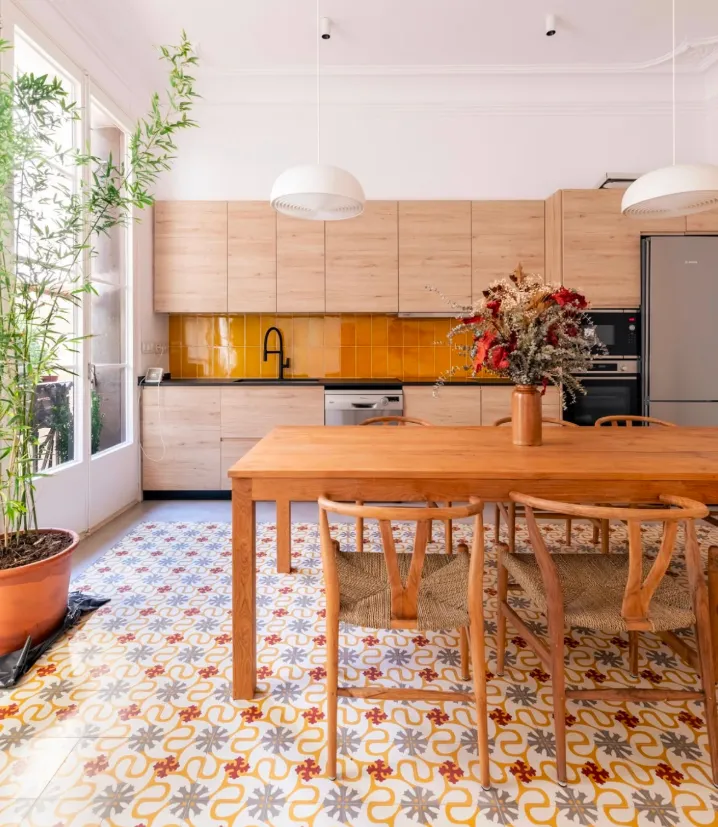
Project C: Modern rustic style kitchen
- Encaustic cement tiles pattern interrupted by smooth structures to avoid heavy visuals.
- Handcrafted zellige detailing on the sink wall, adding handcrafted texture.
Conclusion: A material with past, present and future
The Cement tiles have re-emerged as a design element that not only adds aesthetics, but also history, touch and personality. At a time when the kitchen is no longer just functional, it has become an important part of the design process. centre of life and visual identity, These tiles play a key role, bringing character and lasting value to the space.