«How much does a cement tile cost?» is one of the first questions we receive. The good news is that we can give you some Clear starting prices; the important nuance is that, by being a Handmade product which is manufactured piece by piece, the final price depends on design decisions that you control yourself.
In this guide, you will see Since when does the square metre cost, the Cost drivers and the expenses that almost no one adds up at the beginning (installation, sealing, material allowance…). The goal: for you to get a quote knowing exactly what you're paying for and why.
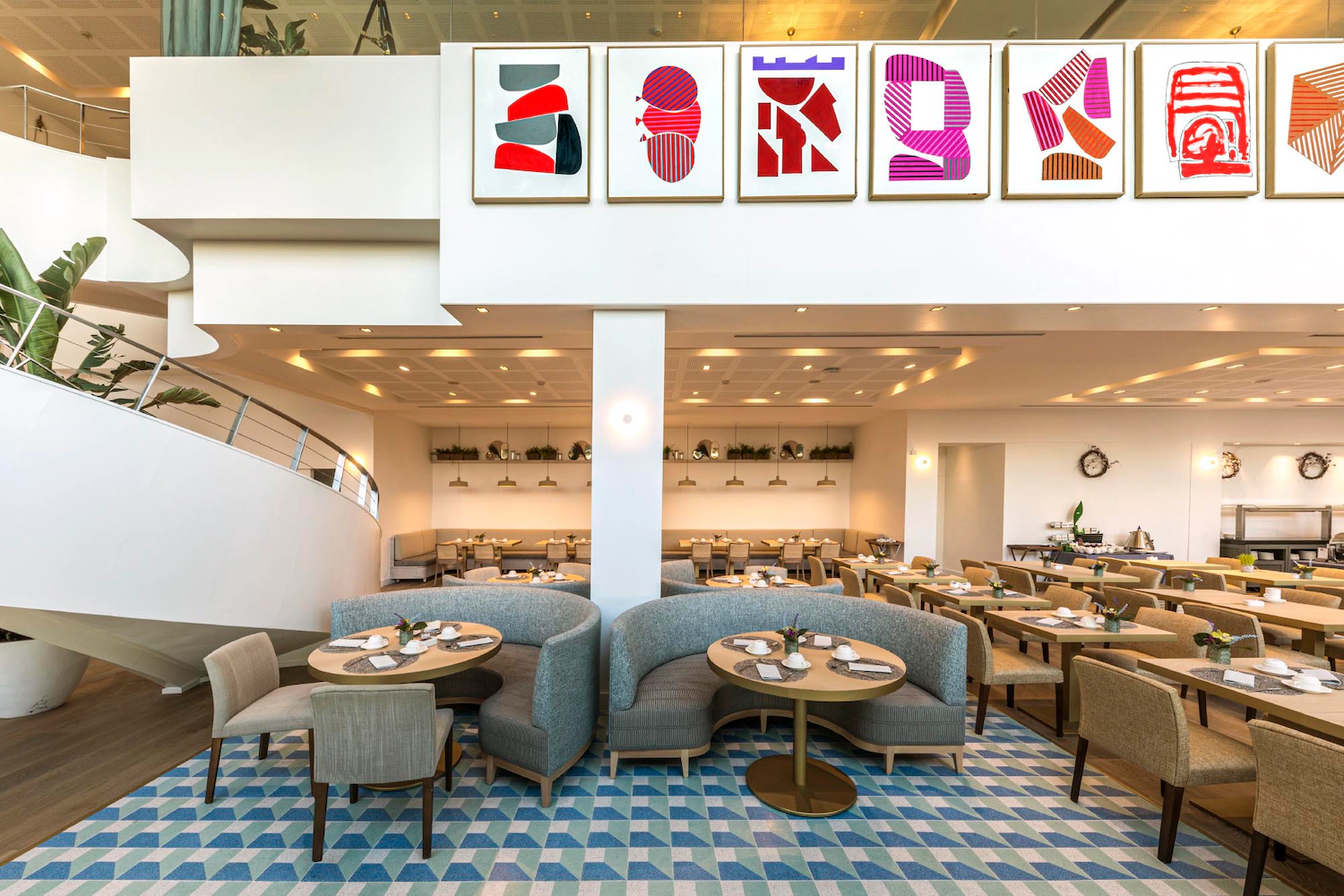
How much does a square metre of encaustic tile cost?
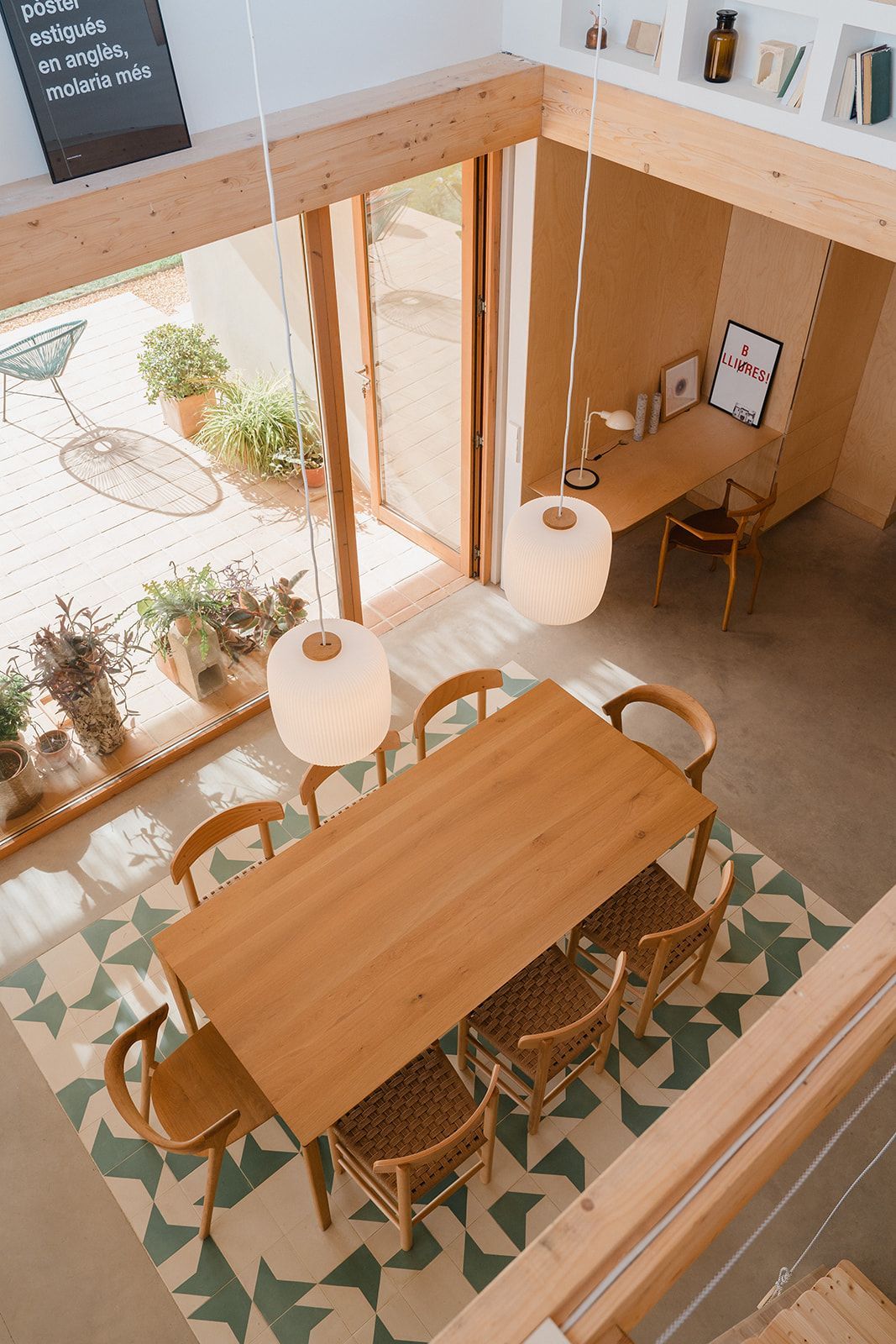
El precio depende sobre todo del number of colours from the design: each colour is hand-poured, so the more colours, the more craftsmanship. These are our Call-out fees (prices «from», because according to the The shape of the part —hexagonal, scalous, etc.— may vary):
- One colour (monochrome) from €72/m²
- Two colours from €80/m²
- Three colours: from €88/m²
- Four colours: from €92/m²
And the completely bespoke designsWe prefer not to give a fixed price, as it varies a lot depending on the type of tile, the number of colours, whether it has a relief, and the complexity of the design. We assess it on a case-by-case basis to give you an exact and fair price.
The reason for these differences is simple: in hydraulics You don't pay for standard materials, you pay for craftsmanship and design.. Let's see what's behind every euro.
2. Factors determining the price
The number of colours in the design
It is the main factor, as you have just seen in the prices. Each colour of a cement tile is poured by hand in its mould Climbbefore pressing. More colours mean more manual steps, more time and more precision: that's why the price rises incrementally with each colour.
B. The shape of the part and the format
The classic format (20x20 cm) is the most common, but there are hexagonal, scale-shaped, and other sizes. The shape of the tile influences the priceThat's why our prices are «from». Larger formats or thicknesses require more material and more handling.
C. Customisation of the design
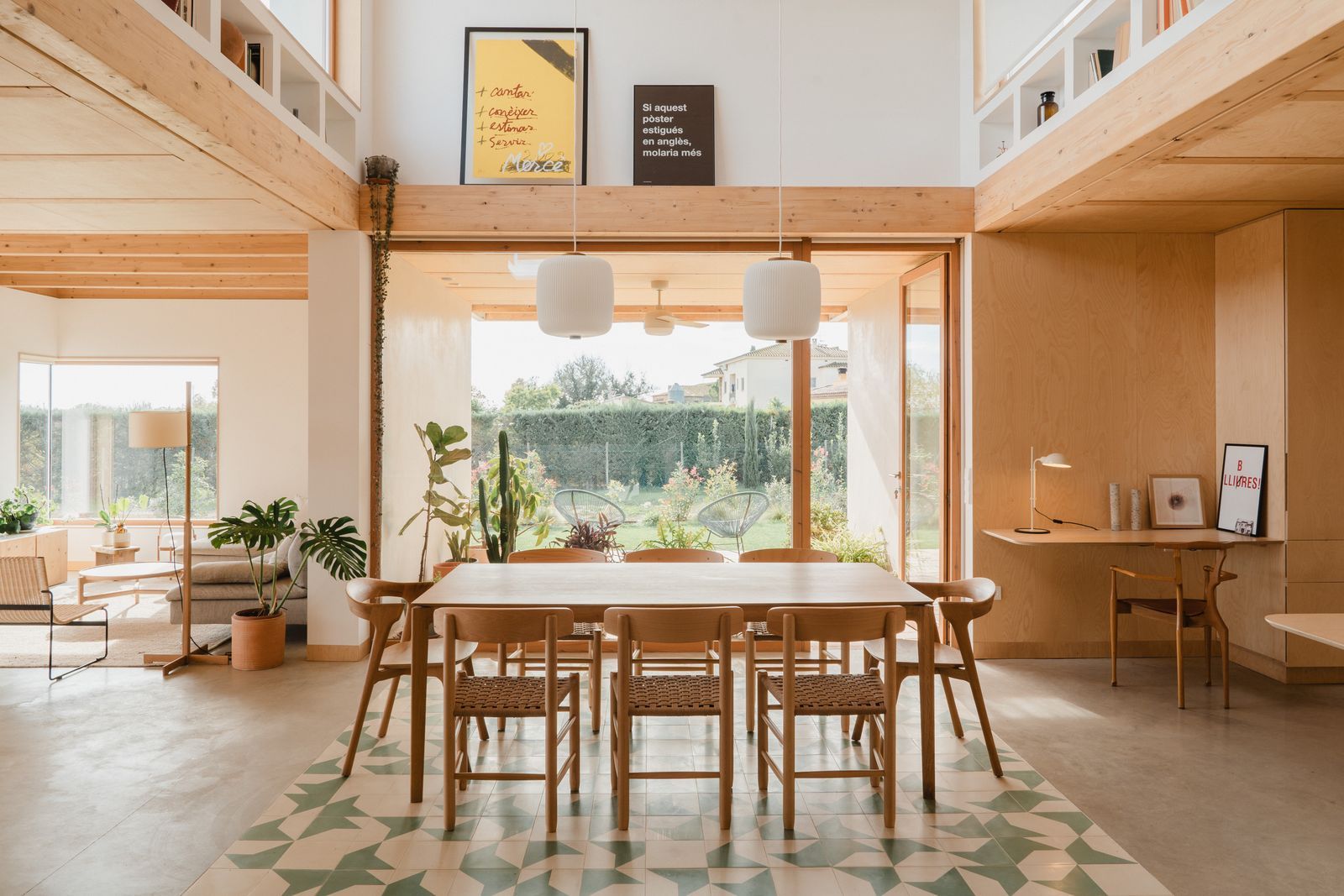
A catalogue pattern already has its mould manufactured. Bespoke design This may require creating a new climbing frame, which adds an initial cost and causes the price to vary greatly from one project to another. If you dream of your own design, it's worth considering: it's what makes a floor unique.
D. Cornices, corners and special pieces
The Ceilings and frames (the «carpet» effect) are what give a cement tile floor personality, but they also increase the budget: they are calculated per linear metre, require corner pieces and generate more cuts. They are not calculated per m², but per perimeter.
E. The finish and the treatment
Cement tile is porous by origin and It needs sealing/waterproofing to protect it from stains, especially in kitchens and bathrooms. That treatment (product + application) is part of the actual project cost, although it is sometimes overlooked in the initial budget.
F. Order volume and transport
As with almost all manufacturing, larger orders tend to optimise the cost per metre. And bear in mind that cement tiles weight (1m² can exceed 30 kg), so transport – especially for large or international shipments – is a cost to consider.
3. Costs that almost nobody adds up (but are worth anticipating)
- Installation: The installation of vinyl flooring requires skilled labour. It's not a «click» floor; a good installer makes a difference to the final result.
- Initial sealing and protection essential for the floor to withstand daily wear and tear.
- Material allowance (10–15 %): It is necessary to foresee outages, breakages, and spare parts. Calculating precisely is the most costly error.
- Transport and timings As it is a handmade product, it is advisable to plan in advance.
👉 If you want to fine-tune the quantities before ordering (and not end up short or overpaying), our guide will be very useful: How to calculate how many encaustic tiles you need.
4. Why does it cost more than porcelain tiles that imitate cement tiles?
It's a legitimate question. Porcelain tiles that imitate cement tiles are cheaper and easier to install. But you're comparing two different things:
- It's handcrafted and unique. Each piece has its own nuances; it is not a repeated impression.
- It is 100% customisable %: Colour, pattern and composition to your liking.
- It is restorable A cement tile floor can be polished and restored decades later. A scratched porcelain floor cannot.
- Adds asset value It's a noble material that increases the property's value and transcends trends.
In other words, you're not buying cladding, you're buying flooring for decades. If you want to delve deeper, we'll develop it here: The benefits of artisanal cement tile flooring compared to other options.
5. How to optimise your budget without sacrificing quality
- Adjust the number of colours A well-chosen 2–3 colour design can be as impactful as one with 6, and more economical (remember each colour adds to the price).
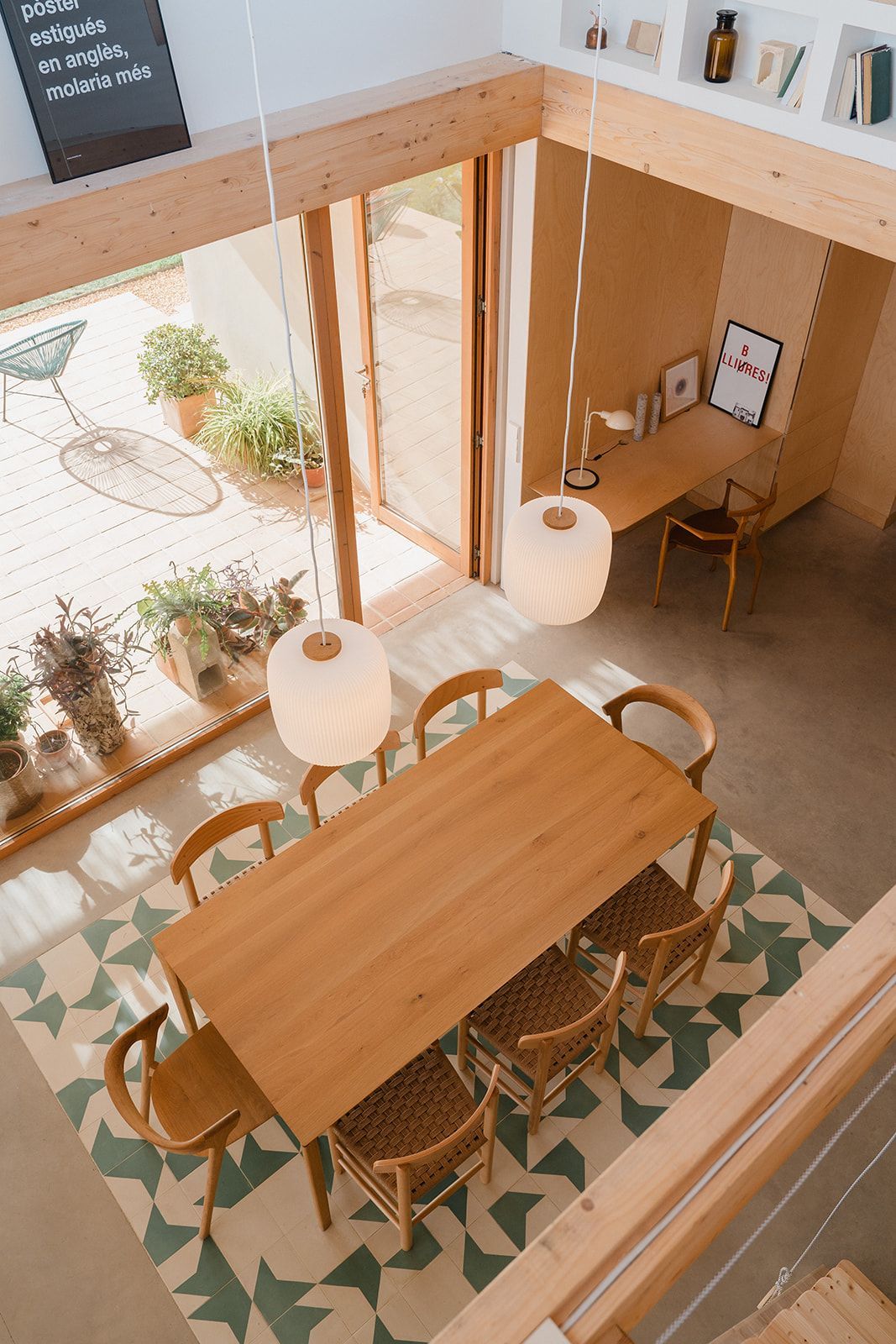
- Combine pattern with plain pieces: The «rug» effect (centre with pattern + plain border) reduces decorated pieces and looks elegant. We give you ideas at how to combine cement tiles with other styles.
- Define the pattern well before ordering: Deciding late shoots up the cost of cuts.
- Order everything from the same batch: avoids tone differences and a second shipment.
- Prioritise where it is seen: reserve the richest design for the statement areas.
Frequently Asked Questions (FAQ)
How much does a cement tile cost per m²?
Our rates start from €72/m² for single-colour designs, €80/m² for two colours, €88/m² for three, and €92/m² for four colours. These are «from» prices: they may vary depending on the shape of the piece and customisation.
Does the price include installation?
No. The price of the materials and the installation labour are separate items. The installation is carried out by a professional and is priced separately according to complexity and area.
Does it cost more than porcelain that looks like it? Is it worth it?
Yes, it's more expensive upfront, but we're talking about a handcrafted material that's customisable, restorable and has heritage value. For a project you want to last for decades, the difference is worthwhile.
How much does a custom design cost?
It depends on the type of tile, the number of colours, whether it has a raised pattern and the complexity of the design, so each case is assessed individually. Tell us your idea and we'll give you a fixed price.
How much does a border or a special piece cost?
The borders are calculated per linear metre (not per m²) and special pieces or corners have their own price. This is why a floor with a border or frame is always quoted on a bespoke basis.
Do you want a fixed price for your project?
The most reliable way to know how much your cement tile flooring will cost is to ask us for a quote. With your measurements (even a simple sketch) and an idea of the design, we can help you choose colours and composition, calculate the optimal margin, and give you a fixed cost with no surprises. And if you want a unique floor, you can start by Personalise your cement tile.
👉 Request your no-obligation quote and we'll resolve your project with you.