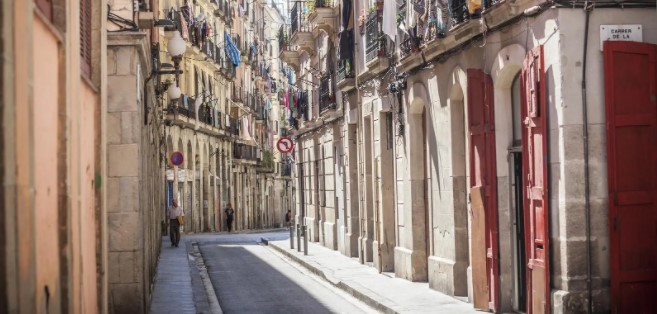
Panots are the type of cement tiles used on Barcelona's pavements. Their history is fascinating, as they have unintentionally become one of the city's emblems.
When were panots introduced?
Panots are closely linked to the urban development of Barcelona's Eixample district. Traditionally, macadam stone was used to clad the city. The problem was that, when it rained, it was transformed into a muddy surface by its own nature. In fact, the town came to be called Can Fanga. From 1903, the need to use a different type of coating for Barcelona was seriously considered. Its extension could not be understood without the existence of modernist architecture and this type of material.
From that moment on, Barcelona City Council launched a public competition. This is how the decision was taken to complete the paving of the city. The panot option was chosen from the 5 available. The reason that led the authorities to choose this material was essentially economic: it was the cheapest option available, and in 1907 it began to be laid on the city's streets. So, what types exist? Let us explain.
Types of panots
The panot must meet the standard measurements of a 20×20 centimetre panel. Another equally important aspect is that it must be manufactured with Portland cement. The lack of companies manufacturing it has been one of the initial difficulties for the extension of this type of carriage. The main difference often lies, above all, in the design that is printed, which can change. In all cases, it is important to say that you can find them in almost all areas of the city.
Here are the most popular designs, although today only the pink and tablet ones are installed. We will not talk about other variants such as the hexagonal Gaudí or the traditional pavements that have been installed in the Gothic Quarter. At the present time, here are the most important ones:
-
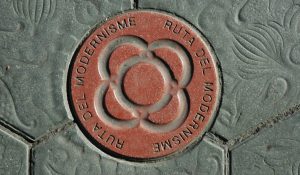
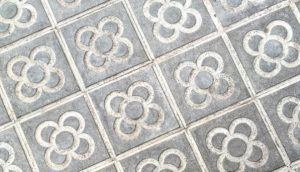
Flower panot
Traditionally, the design has been attributed to the famous architect Josep Puig i Cadafalch. This is because the panots of the Casa Ametller are similar to this design. However, there are some differences in relief and, more importantly, there is no documentary evidence. Today, it is a very common design on the streets of Barcelona.
-
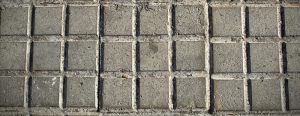
Tablet panot
The tablet panot has two great virtues. Firstly, it can be laid in small pieces without the difference being noticeable. Secondly, it makes water drainage easier, one of the key aspects in avoiding problems.
-
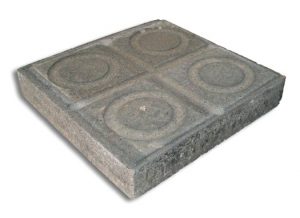
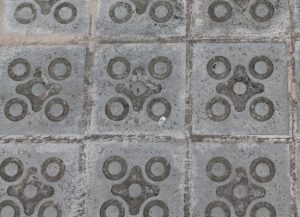
Four-tablet panot with circles
This design tries to combine the functionality of the tablet panel with the attractiveness of the rose panel. Even if it is not the most striking, it is not too difficult to find in the streets of Barcelona.
-
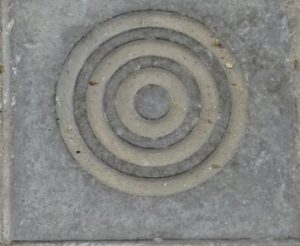
Panot d'ensaimada
The panot d'ensaimada, so called because of its concentrated shape reminiscent of this small Mallorcan pastry, is not very popular. In any case, it is important to say that today they are no longer installed on the city's pavement.
-
Skull panot
The skull panot is another of the designs that were abandoned and are no longer restored. Although it may seem sinister, most Barcelona residents have got used to it.
Who installs this type of tile?
The installation of this type of tile is entrusted to specialised manufacturers. It must be said that they are few in number, as Barcelona City Council only works with companies with experience in the sector. This is the case of Mosaics Torra, which supplies Gaudí tiles, panels and carvings. No less important is the restoration work, which is fundamental in the pavement of Barcelona.
If you want to buy cement tiles, Mosaics Torra is an interesting option for several reasons. First of all, because we are manufacturers. Secondly, because we take care of installation. Finally, because we can restore public buildings, as we have the expertise.
If you need quality cement tiles, we can help you. Contact us and we will tell you more about the options available to you.